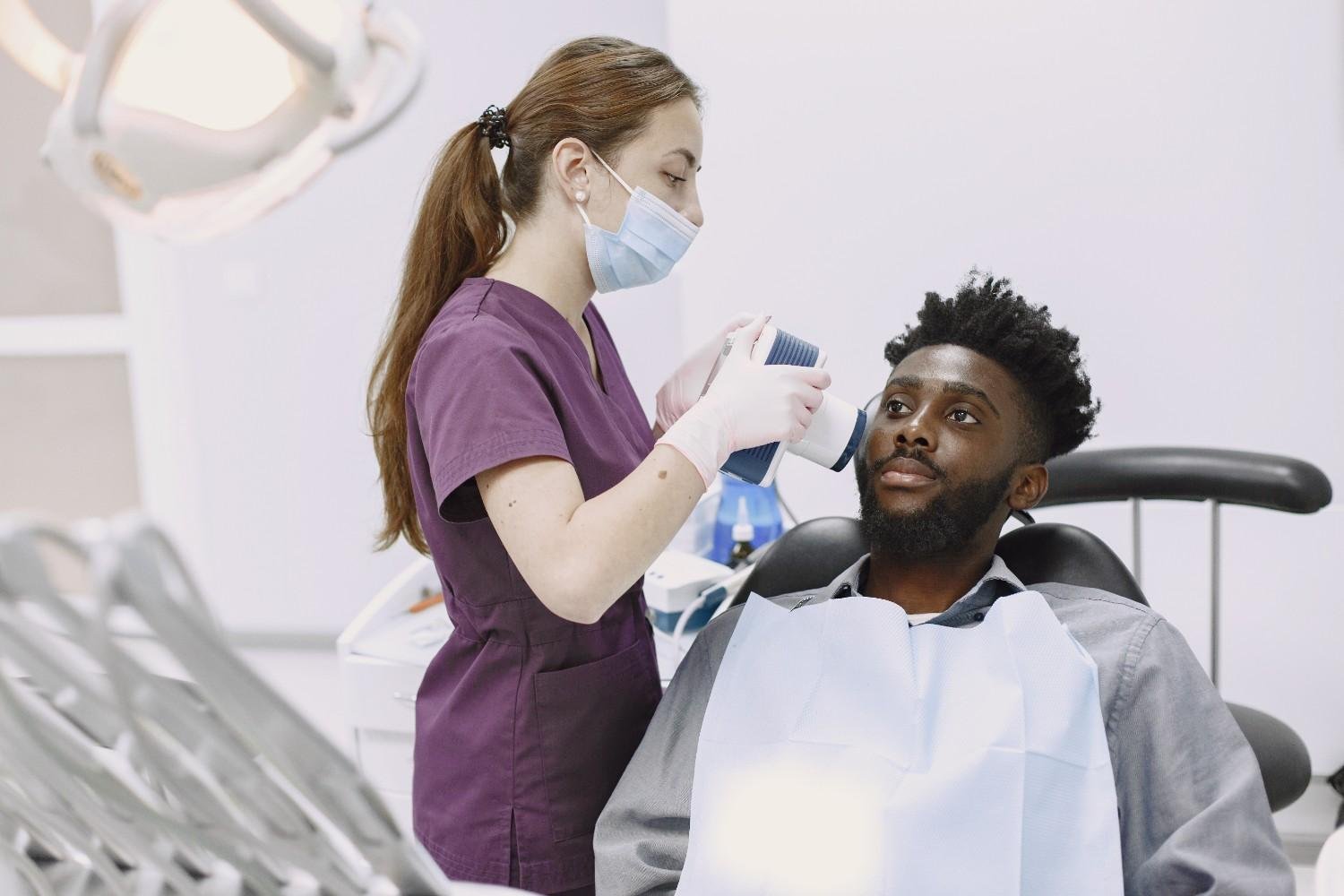
The American healthcare system continues to experience significant growth, creating abundant opportunities for skilled professionals from around the world. Among these opportunities, dental assistant positions have emerged as particularly attractive career paths for foreign workers seeking to establish themselves in the United States. The combination of steady demand, competitive compensation, and accessible entry requirements makes this field an excellent choice for international healthcare professionals looking to build their American dream.
Understanding the Dental Assistant Profession in America
Dental assistants play a crucial role in the American healthcare ecosystem, working alongside dentists to provide essential oral healthcare services to millions of patients daily. These professionals handle a diverse range of responsibilities that go far beyond simple administrative tasks, making them indispensable members of any dental practice team.
In a typical workday, dental assistants prepare treatment rooms, sterilize instruments, assist during procedures, take dental radiographs, educate patients about oral hygiene, manage appointment schedules, and handle insurance documentation. This variety of responsibilities requires a unique combination of technical skills, interpersonal abilities, and attention to detail that makes qualified dental assistants highly valued in the American job market.
The profession offers remarkable stability and growth potential, with the Bureau of Labor Statistics projecting continued expansion in employment opportunities through the next decade. This growth stems from several factors, including an aging population requiring more dental services, increased awareness of oral health importance, and expanding dental insurance coverage making treatments more accessible to broader populations.
For foreign workers, the dental assistant profession presents an exceptional opportunity to enter the American healthcare system. Unlike some medical professions requiring extensive credential verification and additional education, dental assisting offers more streamlined pathways to employment while still providing meaningful work in healthcare settings. The profession also serves as an excellent stepping stone for those interested in advancing to other dental careers, such as dental hygiene or even dentistry itself.
Current Market Demand and Salary Expectations
The demand for qualified dental assistants across the United States remains consistently strong, with particular shortages in rural areas and rapidly growing metropolitan regions. This widespread need creates favorable conditions for foreign workers seeking visa sponsorship, as employers struggle to fill positions with domestic candidates alone.
Compensation for dental assistants varies significantly based on geographic location, experience level, specialized skills, and practice type. Entry-level positions typically offer competitive starting salaries that increase substantially with experience and additional certifications. Metropolitan areas generally provide higher base salaries to offset living costs, while rural positions might offer additional benefits like housing assistance or signing bonuses to attract qualified candidates.
Beyond base compensation, many dental practices offer comprehensive benefits packages including health insurance, dental coverage, retirement contributions, paid time off, and continuing education support. Some employers specifically recruiting foreign workers also provide additional benefits such as relocation assistance, temporary housing, and immigration legal support, recognizing the unique challenges international professionals face when establishing themselves in a new country.
The financial stability offered by dental assistant positions makes them particularly attractive for foreign workers who need to demonstrate economic self-sufficiency for visa requirements. The consistent income and employment verification provided by these positions strengthen visa applications and support long-term immigration goals.
Visa Options and Immigration Pathways
Navigating the American immigration system requires understanding various visa categories available to foreign dental assistants. Each visa type has specific requirements, processing times, and pathways to permanent residency, making it crucial to select the most appropriate option based on individual circumstances.
The H-1B visa, while traditionally associated with specialized occupations, can sometimes apply to dental assistants with bachelor’s degrees or equivalent experience combined with specialized training. However, this visa category faces annual caps and lottery systems, making it challenging to secure. Employers must demonstrate that the position requires specialized knowledge and that the foreign worker possesses unique qualifications not readily available in the domestic workforce.
The EB-3 visa category offers a more accessible pathway for many dental assistants, as it covers skilled workers, professionals, and other workers. This employment-based green card category requires a permanent job offer and labor certification, demonstrating that hiring a foreign worker won’t adversely affect American workers’ wages and working conditions. While processing times can be lengthy, this visa provides a direct path to permanent residency.
For dental assistants from countries with specific agreements with the United States, the TN visa under NAFTA (now USMCA) provides Canadian and Mexican citizens streamlined access to American employment. This visa category offers quick processing and renewable status, though it requires meeting specific educational and professional requirements outlined in the trade agreement.
The J-1 visa exchange visitor program sometimes includes opportunities for dental assistants through training programs or internships. While typically temporary, these programs can provide valuable American work experience and potentially lead to other visa opportunities. Some J-1 programs specifically target healthcare professionals from developing countries, offering cultural exchange alongside professional development.
Educational Requirements and Credential Evaluation
Educational requirements for dental assistants in the United States vary by state, creating both opportunities and challenges for foreign workers. While some states allow on-the-job training without formal education, others require completion of accredited dental assisting programs and passing certification examinations.
Foreign dental assistants must typically have their international education credentials evaluated by approved agencies to establish equivalency with American educational standards. This evaluation process examines coursework, clinical training hours, and practical experience to determine how foreign qualifications align with American requirements. Many evaluation services specialize in healthcare credentials and understand the nuances of dental education across different countries.
The Commission on Dental Accreditation (CODA) sets standards for dental assisting education programs in the United States, and understanding these standards helps foreign workers identify gaps in their training that might need addressing. Some foreign workers find it beneficial to complete additional coursework or certification programs at American institutions to strengthen their qualifications and demonstrate commitment to meeting American standards.
Professional certification, while not universally required, significantly enhances employment prospects and visa applications. The Dental Assisting National Board (DANB) offers several certification pathways, including the Certified Dental Assistant (CDA) credential, which demonstrates competency in general dental assisting skills. Foreign workers can pursue these certifications after meeting eligibility requirements, which might include completing approved education programs or accumulating qualifying work experience.
State Licensing and Regulatory Compliance
The regulatory landscape for dental assistants varies dramatically across the fifty states, with each state maintaining its own requirements for practice. This variation creates both opportunities and complexities for foreign workers, as some states offer more accessible entry paths while others maintain strict licensing requirements.
States like Texas and Florida allow dental assistants to work without formal licensure, relying on dentist supervision and on-the-job training. These states often attract foreign workers initially, as they can begin working more quickly while pursuing additional credentials. However, the scope of practice might be limited without formal certification, potentially affecting career advancement opportunities.
Conversely, states like Minnesota and Washington require dental assistants to obtain registration or licensure before performing expanded functions. These requirements typically include completing approved education programs, passing examinations, and maintaining continuing education credits. While more demanding initially, these states often offer broader scope of practice and higher compensation for properly credentialed assistants.
Understanding radiography requirements proves particularly important, as taking dental X-rays represents a common duty that often requires separate certification. Most states mandate completion of radiation safety courses and passing examinations before dental assistants can operate radiographic equipment. Foreign workers should prioritize obtaining radiography certification early, as this skill significantly increases employability and value to potential employers.
Some states participate in reciprocity agreements, recognizing credentials from other states, which can benefit foreign workers who might relocate after initial employment. Understanding these interstate agreements helps in long-term career planning and maintains flexibility in employment options.
Finding Employers Who Sponsor International Workers
Identifying dental practices willing to sponsor foreign workers requires strategic job searching and understanding employer motivations. Large dental service organizations (DSOs) often have more resources and experience with immigration processes compared to small private practices, making them natural targets for foreign job seekers.
Corporate dental chains operating multiple locations frequently face staffing challenges that make them more open to international recruitment. These organizations typically have human resources departments familiar with visa processes and relationships with immigration attorneys, streamlining the sponsorship process. They also offer standardized training programs that help foreign workers adapt to American dental practices.
Federally Qualified Health Centers (FQHCs) and community health centers serving underserved populations often struggle to maintain adequate staffing, creating opportunities for foreign workers. These facilities might qualify for special visa programs or have access to resources supporting international recruitment. Working in these settings also provides valuable experience serving diverse patient populations and can support certain immigration pathways focused on addressing healthcare shortages.
University dental clinics and dental schools represent another promising avenue, as academic institutions generally have extensive experience with international personnel and established immigration support systems. These positions might offer additional benefits like tuition reduction for further education, supporting long-term career advancement.
Rural and underserved areas designated as Health Professional Shortage Areas (HPSAs) sometimes receive special consideration in visa processing, as addressing healthcare access gaps serves public interest. Foreign workers willing to commit to serving these communities might find expedited processing or additional support for their immigration cases.
Application Strategies and Interview Preparation
Successfully securing dental assistant positions with visa sponsorship requires carefully crafted applications that address both professional qualifications and immigration considerations. Foreign applicants must present themselves as exceptionally qualified candidates worth the additional investment of sponsorship.
Resume preparation for international job seekers demands special attention to translating foreign experience into terms American employers understand. Rather than simply listing job titles and responsibilities from home countries, applicants should emphasize transferable skills and quantifiable achievements that demonstrate value. Including relevant American certifications, even those obtained online or through professional development courses, shows commitment to meeting American standards.
Cover letters provide opportunities to address visa status proactively while emphasizing unique value propositions. Foreign workers might highlight language skills enabling communication with diverse patient populations, international perspectives enriching practice culture, or specialized training in techniques not common in American dental education. Addressing potential employer concerns about sponsorship complexity while demonstrating understanding of the process can alleviate hesitation.
Interview preparation extends beyond typical job interview skills to include readiness for immigration-related questions. While employers cannot legally discriminate based on national origin or citizenship status, they can inquire about work authorization and long-term availability. Preparing clear, confident responses about visa status, timeline expectations, and commitment to the position helps establish trust and professionalism.
Demonstrating cultural competency and understanding of American dental practices proves crucial during interviews. Foreign workers should research American dental terminology, infection control protocols, and patient interaction expectations to show readiness for immediate contribution. Discussing experiences adapting to new environments or working with diverse populations reinforces adaptability and cultural awareness.
Navigating the Visa Application Process
Once securing a job offer, the visa application process begins in earnest, requiring careful attention to documentation, timelines, and procedural requirements. Success depends on thorough preparation and understanding of each step in the process.
The labor certification process for employment-based visas requires employers to demonstrate unsuccessful attempts to recruit American workers before hiring foreign nationals. This process involves posting job advertisements, reviewing applications, and documenting recruitment efforts. Foreign workers should understand this requirement and be patient with the timeline, as labor certification can take several months to complete.
Document preparation represents a critical phase where attention to detail prevents delays and denials. Foreign workers must gather educational transcripts, employment verification letters, professional licenses, and personal documents like birth certificates and passports. All foreign language documents require certified translations, and some documents might need authentication through apostille or consular legalization processes.
Medical examinations by approved panel physicians ensure foreign workers meet health requirements for visa issuance. These examinations include vaccination reviews, tuberculosis screening, and general health assessments. Understanding vaccination requirements and obtaining necessary immunizations before the examination prevents delays and additional costs.
Interview preparation at American consulates requires different focus than job interviews. Consular officers evaluate visa applications for eligibility and potential immigration violations. Applicants should prepare clear explanations of their qualifications, employment plans, and ties to their home countries if applying for non-immigrant visas. Consistency between application documents and interview responses proves essential for successful outcomes.
Professional Development and Career Advancement
Building a successful dental assisting career in America extends beyond initial employment to include continuous professional development and strategic career planning. Foreign workers who invest in ongoing education and skill development position themselves for long-term success and advancement opportunities.
Continuing education requirements in many states ensure dental assistants maintain current knowledge and skills. Foreign workers should view these requirements as opportunities to network with American colleagues, learn about local practice standards, and demonstrate professional commitment. Many continuing education providers offer online courses, making it easier to balance education with work responsibilities.
Specialized certifications in areas like orthodontic assisting, pediatric dentistry, or oral surgery increase marketability and earning potential. These specializations often command higher salaries and provide more interesting and challenging work. Foreign workers who develop expertise in specialized areas become valuable assets to practices, strengthening their position for permanent residency applications.
Leadership development through supervisory roles or practice management responsibilities demonstrates career progression important for certain visa categories. Foreign workers should actively seek opportunities to train new staff, implement process improvements, or manage specific practice areas. These experiences provide evidence of professional growth and integration into American workplace culture.
Professional associations offer networking opportunities, educational resources, and career support valuable for foreign workers. Organizations like the American Dental Assistants Association provide member benefits including liability insurance, certification preparation, and job boards. Active participation in professional associations demonstrates commitment to the profession and provides references for future opportunities.
Financial Planning and Stability
Establishing financial stability in America requires careful planning and understanding of the economic responsibilities accompanying visa status. Foreign dental assistants must navigate various financial considerations while building their American careers.
Initial relocation costs can be substantial, including travel expenses, temporary housing, security deposits, and basic living necessities. Some employers offer relocation assistance or signing bonuses to offset these costs, but foreign workers should prepare for significant upfront investments. Creating detailed budgets and maintaining emergency funds provides security during the transition period.
Understanding American taxation systems proves essential for foreign workers, as tax obligations vary based on visa status and residency classification. Dental assistants should familiarize themselves with federal and state tax requirements, available deductions, and treaty benefits that might apply to their home countries. Professional tax preparation services specializing in foreign worker taxation can prevent costly mistakes and ensure compliance.
Credit establishment in America requires strategic planning, as foreign workers typically arrive without American credit history. Secured credit cards, authorized user arrangements, and credit builder loans help establish credit profiles necessary for future housing, vehicle purchases, and other financial needs. Building strong credit also demonstrates financial responsibility valuable for immigration applications.
Retirement planning considerations differ for foreign workers who might eventually return to their home countries or maintain careers spanning multiple countries. Understanding American retirement systems, including employer-sponsored plans and Social Security contributions, helps maximize benefits while considering international portability. Some foreign workers benefit from maintaining retirement accounts in multiple countries, requiring careful coordination and tax planning.
Cultural Adaptation and Workplace Integration
Successfully integrating into American dental practices requires understanding cultural nuances affecting workplace dynamics and patient interactions. Foreign dental assistants who master cultural adaptation often find greater job satisfaction and career success.
Communication styles in American dental offices typically emphasize direct but friendly interaction with both colleagues and patients. Foreign workers should understand American expectations for patient education, informed consent discussions, and addressing patient concerns. Developing comfort with American idioms and colloquial expressions enhances communication effectiveness and builds patient rapport.
Professional boundaries in American healthcare settings might differ from those in other countries, requiring adjustment in colleague interactions and patient relationships. Understanding appropriate professional behavior, maintaining patient confidentiality, and navigating office politics requires cultural sensitivity and observation. Foreign workers benefit from finding mentors who can provide guidance on unwritten workplace rules and expectations.
Patient diversity in American dental practices offers both opportunities and challenges for foreign workers. While international backgrounds can help in serving diverse patient populations, understanding American cultural sensitivities around healthcare, privacy, and personal space proves essential. Developing cultural competency in American contexts while leveraging international experience creates unique value for employers.
Work-life balance expectations in America might differ from home countries, affecting scheduling, overtime policies, and vacation planning. Foreign workers should understand American norms around work hours, paid time off, and professional availability while advocating for their needs within acceptable frameworks. Maintaining personal well-being while meeting professional obligations supports long-term career sustainability.
Legal Considerations and Rights Protection
Understanding legal rights and protections available to foreign workers ensures fair treatment and prevents exploitation. Dental assistants working under visa sponsorship should know their rights and resources available for addressing concerns.
Employment law protections apply to foreign workers regardless of visa status, including minimum wage requirements, overtime payments, and safe working conditions. Dental assistants should understand federal and state labor laws governing their employment and maintain records of hours worked, wages paid, and any workplace incidents. Knowledge of these rights prevents exploitation and provides recourse for addressing violations.
Immigration status protection includes understanding visa terms, maintenance requirements, and consequences of status violations. Foreign workers should maintain copies of all immigration documents, track important dates like visa expirations and required departures, and understand grace periods for status changes. Staying informed about immigration policy changes affecting visa categories helps prevent inadvertent violations.
Workplace discrimination protections under federal and state laws prohibit discrimination based on national origin, race, religion, and other protected characteristics. Foreign dental assistants experiencing discrimination should document incidents, follow employer reporting procedures, and know external resources like the Equal Employment Opportunity Commission for filing complaints. Understanding these protections empowers foreign workers to address unfair treatment appropriately.
Professional liability considerations for dental assistants include understanding malpractice insurance coverage and scope of practice limitations. Foreign workers should verify their inclusion in employer liability policies and understand personal liability risks for procedures performed. Maintaining professional liability insurance might be advisable for additional protection, particularly for those performing expanded functions.
Building Long-term Success in America
Establishing a thriving dental assisting career in America requires strategic planning beyond initial employment and visa acquisition. Foreign workers who approach their American careers with long-term perspectives often achieve greater success and satisfaction.
Network development within the dental community provides career opportunities, professional support, and personal connections valuable for long-term success. Foreign dental assistants should actively participate in professional events, maintain relationships with colleagues across different practices, and engage with online professional communities. Strong professional networks provide job opportunities, references for advancement, and support during challenging times.
Skills diversification beyond traditional dental assisting enhances career resilience and advancement potential. Foreign workers might develop expertise in practice management software, digital dentistry technologies, or specialized treatment modalities. Acquiring skills in areas like dental billing, insurance coordination, or practice marketing increases value to employers and opens alternative career paths.
Entrepreneurial opportunities exist for experienced dental assistants interested in business ownership or consulting. Some foreign workers eventually establish dental assisting schools, staffing agencies, or consulting services leveraging their unique perspectives and experiences. Understanding business regulations, visa requirements for self-employment, and market opportunities supports entrepreneurial ambitions.
Community involvement beyond professional circles enriches personal life and strengthens immigration cases. Foreign dental assistants who volunteer in community health programs, participate in civic organizations, or contribute to cultural communities demonstrate integration and commitment valuable for permanent residency applications. These activities also provide personal fulfillment and social connections essential for long-term happiness in America.
Conclusion: Your Journey to American Dental Healthcare
The path to establishing a successful dental assisting career in America as a foreign worker presents both challenges and remarkable opportunities. Through careful planning, persistent effort, and strategic professional development, international dental assistants can build rewarding careers while contributing to American healthcare.
The dental field’s continued growth and evolution ensures ongoing opportunities for qualified professionals willing to meet American standards and adapt to local practices. Foreign workers bring valuable perspectives, language skills, and cultural competencies that enrich American dental practices and improve patient care for diverse populations.
Success requires understanding complex immigration processes, meeting educational and licensing requirements, and navigating cultural differences in professional settings. However, the stability, growth potential, and professional satisfaction offered by dental assisting careers make these efforts worthwhile investments in future success.
As healthcare needs continue expanding and demographic changes reshape American society, the contributions of foreign dental assistants become increasingly valuable. Those who embrace the challenges of international career development while maintaining commitment to professional excellence find themselves well-positioned for long-term success in American dental healthcare.
The journey from foreign dental professional to established American dental assistant requires patience, determination, and adaptability. Yet thousands of international workers have successfully navigated this path, building prosperous careers while enriching American healthcare with their diverse experiences and perspectives. With proper preparation, realistic expectations, and commitment to continuous improvement, foreign dental assistants can achieve their American career dreams while making meaningful contributions to oral healthcare delivery in communities across the nation.